
Food Program Serves up Culture and Community
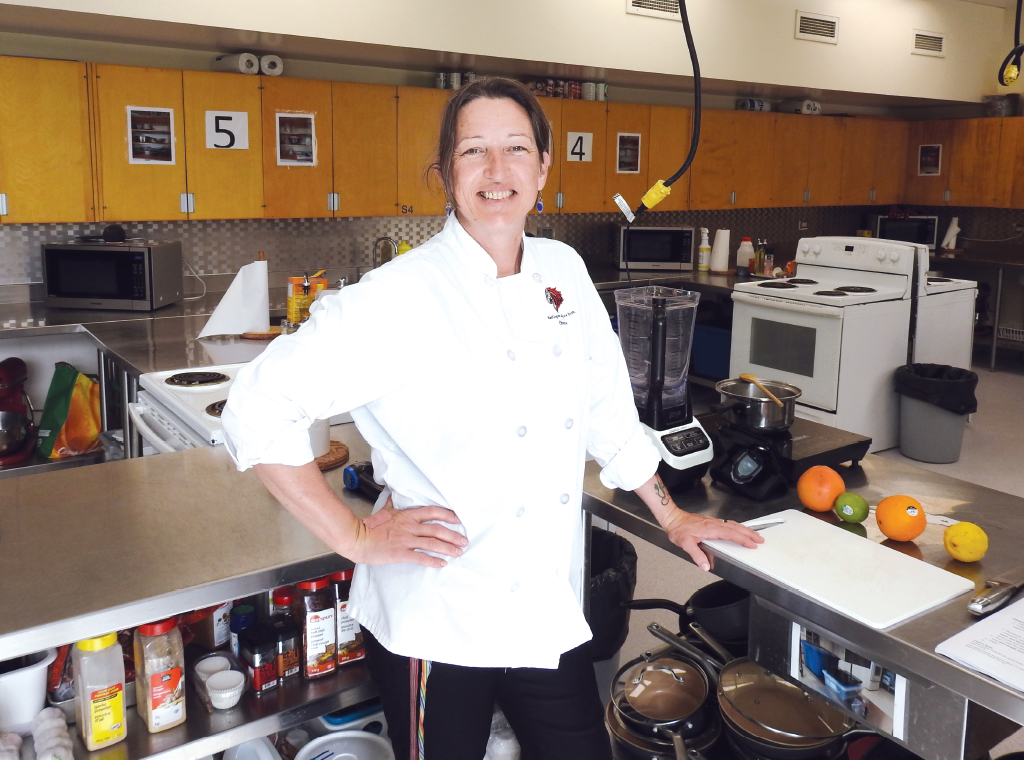
For many students at MacGregor Collegiate Institute, the smell of freshly baked muffins, simmering curry, perogies or homemade jerky drifting through the halls is a sure sign that Penny Osborne’s class is cooking up something special.
What began as a single course 13 years ago has grown into a full-time foods, nutrition and human ecology program that now fills all six of Osborne’s teaching blocks each day. Originally brought on as a math teacher, Osborne, who is a Red River Métis citizen, never expected foods education would become her passion.
“To take the math job, you had to teach foods,” she said with a laugh. “This is what it’s like teaching in a small rural school, you teach where you’re needed.”
But with years of experience in the restaurant industry and a willingness to try something new, she quickly discovered students were hungry for more than just recipes.
“I love my job,” she said. “I still feel like I’m just hitting my stride.”
At MacGregor Collegiate, located in MacGregor, Manitoba, the food program goes far beyond cooking. Grade 9 – 12 students learn about budgeting, nutrition, food safety and practical life skills many have never had the opportunity to practise before.
“Most of my students have never cooked anything before,” she said. “A lot of them have never swept the floor or washed a dish. So, when they leave here, they can do all of those things and more.”
Her kitchen and classroom are also a space where cultural learning and Indigenous perspectives are woven naturally into everyday lessons.
“I don’t see it as incorporating my Métis culture, I see it as just teaching,” Osborne explained. “Indigenous perspectives are incredibly diverse, and authentic curriculum development happens when people draw on their own lived experiences and skills.”
Classroom conversations sparked through food often open doors to broader discussions about culture, history, and inclusion. That can mean discussing the history of Bannock and trade foods, learning how to cook wild rice, or challenging assumptions students may have about unfamiliar cuisines.
“When we do curry, some kids say ‘gross,’ before they’ve even tried it,” she said. “I tell them, ‘You don’t get an opinion until it actually goes in your mouth.’”
One of the most unique parts of the program is the school’s annual Deer Day, an idea first suggested by students who wanted to work with locally sourced meat. Each fall, students learn how to respectfully process a deer from start to finish, guided by a fellow teacher who is also a local hunter.
“A lot of my students are already hunters and we’re in a unique position where we have all the resources right here and we can do it in-house,” she said. “We talk a lot about using as much of the animal as possible and the respectful and efficient use of resources.”
Students grind the meat for burgers and chili, thinly slice it for jerky and learn skills deeply connected to both rural living and Indigenous traditions.
“It gives us the opportunity to acknowledge the technical skills it takes to do something like that,” she said. “We don’t often get a chance to acknowledge cultural traditions inside our curriculum in that way.”
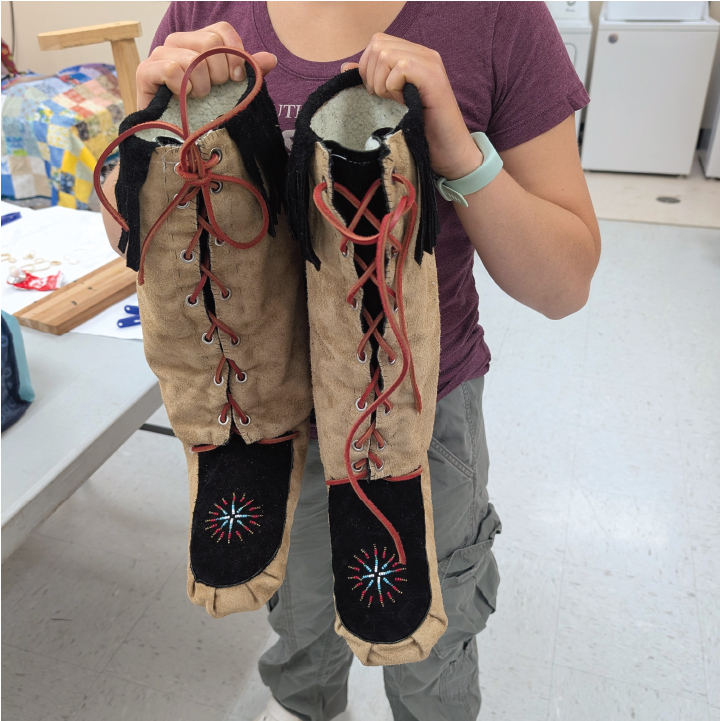
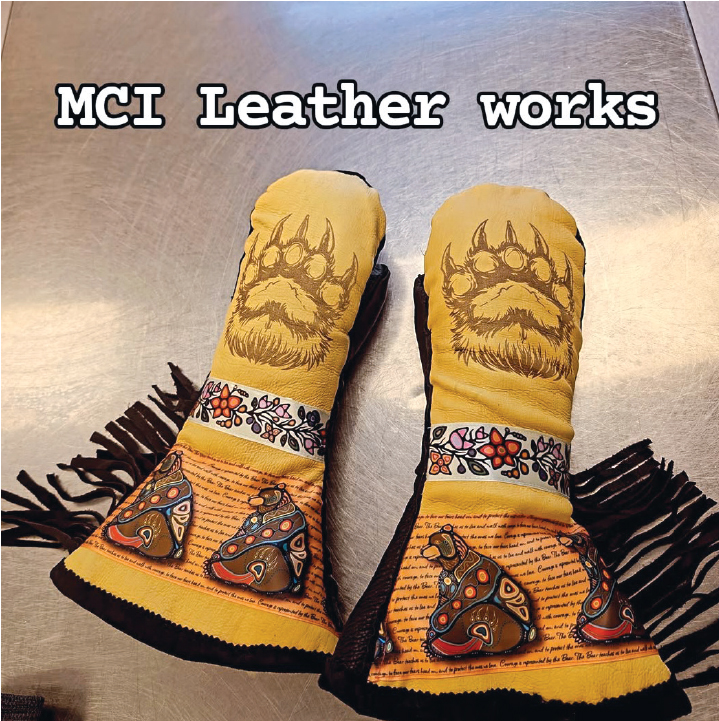
Osborne also incorporates textiles and beadwork into her programming. Using locally donated deer hides, students can learn how to make moccasins, mukluks, mitts, hats, and other projects while learning traditional techniques.
“This gives students a chance to explore Indigenous skills, traditions, and innovations not as historical artifacts, but as living practices that deserve recognition, respect, and inclusion within contemporary textile education,” Osborne explained. “Students develop an appreciation for Indigenous expertise while helping create spaces where these skills are acknowledged, accessible, and celebrated in ways that have not traditionally been reflected in educational settings.”
For Osborne, the greatest reward comes when students bring what they learn home.
“I get love letters from parents and families saying, ‘I didn’t know my kid could cook like this,’” she said. “That’s probably my favourite part.”
More than anything, she hopes students leave her classroom feeling capable, connected and curious, whether they are cooking a meal, sewing moccasins or learning where their food comes from.
“This is a great place to teach, and I feel really fortunate to be here. I’m 52 and I still love coming to work every day,” she said. “It’s so cool to be helping kids discover who they are.”