

Small Habits, Big Impact: Mental Health Tips for the School Year
As another new school year begins, it is no secret that many educators are returning to the classroom already carrying the weight of burnout, stress and anxiety. Supporting students through academic challenges and emotional struggles, often while managing the pressures of their own personal and professional lives can come at a cost.
“Educators carry a lot of what we call sustained stress,” said Dr. Khush Amaria, Director, Clinical Services at MTS Kii Health. “They’re trying to protect their own energy while also dealing with the stress that students might be facing. They’re always on.”

Dr. Khush Amaria, Director, Clinical Services at MTS Kii Health, says anxiety remains one of the most common reason educators seek mental health support. (Submitted photo)
For many educators, that pressure is showing up in the form of anxiety, stress and emotional exhaustion.
According to Dr. Amaria, anxiety remains one of the most common reasons educators seek mental health support. Teachers are also reaching out for help with stress management, workplace challenges, relationship concerns and overall emotional wellbeing.
The Society’s 2026 membership survey revealed a teaching workforce under significant strain, with 84 per cent (84%) of members reporting feeling stressed, 42 per cent (42%) rating their mental health as poor, which is up 17 points from 2024, and 77 per cent (77%) frequently feeling overwhelmed by the emotional demands of their workload.
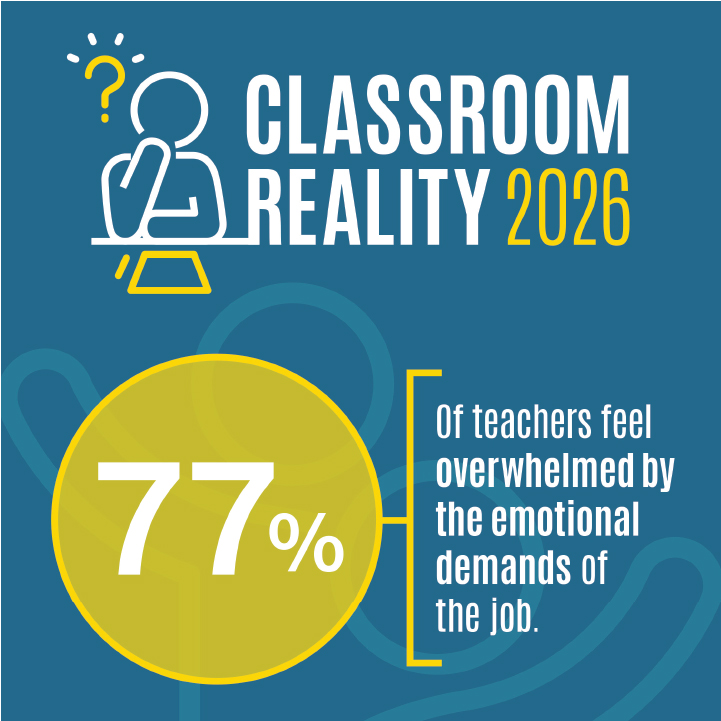
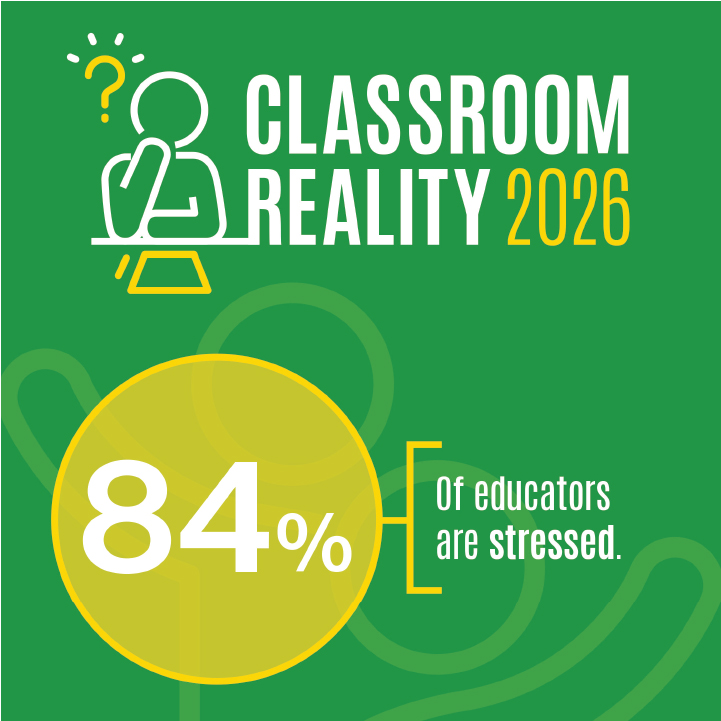
When it comes to sources of stress, 78 per cent (78%) say their classes are more complex than five years ago, with nearly half have six or more students with complex needs. More than half, 55 per cent (55%) of members also said the increased frequency and severity of violence in schools is also make their jobs harder.
The survey was conducted by Probe Research through a census-style survey of MTS members between Jan. 22 and Feb. 17, 2026, with 3,370 respondents and a margin of error of ±1.54 percentage points, 19 times out of 20.
As conversations around classroom complexity and student mental health continue, teachers are increasingly finding themselves on the front lines of support.
“Who are students turning to? They’re coming to their administrators. They’re coming to their teachers,” Dr. Amaria added. “Educators are often dealing with a variety of pressures.”
Burnout is Real and Prevention Matters
While the term burnout is often used casually, Dr. Amaria stresses it’s a serious condition.
“Burnout is a real disease,” she said. “It’s chronic over-exhaustion, and it requires quite an intensive intervention if it’s fully present.”
That’s why prevention matters.
With the start of another school year upon us, Dr. Amaria encourages educators to recognize the warning signs early and take action before stress and anxiety becomes overwhelming.
Know Your Warning Signs
Burnout does not happen overnight. Pay attention to early signs that stress is building, such as but not limited to:
- Feeling constantly rushed or like you cannot keep up
- Struggling to focus or feeling mentally “foggy”
- Feeling tired even after rest or having trouble falling or staying asleep
- Losing motivation or interest in things you usually enjoy
- Feeling like what you are doing is not making a difference
- Having headaches, muscle tension, or other stress-related physical symptoms
“When people are constantly exhausted, having trouble sleeping, feeling more irritable, withdrawing from others or dreading work, those are things we want to play close attention to,” Dr. Amaria added.
Another important signal is when workplace stress begins spilling into life outside of school.
“When stress at work consistently starts affecting your relationships or physical health, that’s a sign you’ve got to get some support.”
Five Simple Ways to Protect Your Wellbeing
Preventing burnout does not require major lifestyle changes. In fact, Dr. Amaria says small, consistent habits, like the five listed below, can make a significant difference.
- 1. Learn your personal warning signs
Understand how stress shows up for you. Whether it is poor sleep, irritability, headaches or feeling emotionally drained, recognizing those patterns early allows you to act and seek support before burnout develops.
- 2. Build recovery time into your day
Educators often move from one responsibility to the next without a break. Aim to protect even small moments of recovery. Create a transition between the end of the school day and the start of the evening, whether that is a short walk, listening to music or simply taking a few quiet moments before heading home.
- 3. Make self-care non-negotiable
Self-care does not have to mean expensive spa days or elaborate routines. It can be as simple as getting outside for 10 minutes, drinking enough water, taking a short walk or practicing deep breathing.
- 4. Reach out for support
Whether it is speaking with a trusted colleague, connecting with a supervisor or accessing professional counselling resources including MTS Kii, early support can help educators develop healthy coping strategies before stress becomes unmanageable.
- 5. Talk about mental health
Creating a culture where educators can openly discuss challenges benefits everyone. Sometimes simply sharing experiences with colleagues can provide reassurance, perspective and support.
Set Achievable Goals and Realistic Expectations
The beginning of a new school year often comes with excitement, energy and high expectations. But Dr. Amaria warns against trying to do everything perfectly from day one.
“We set some really high standards for ourselves,” she said. “We jump in full speed and nobody can sustain that ongoing.”
Instead, she encourages educators to focus on achievable goals and realistic expectations.
“You can’t sprint a marathon,” she added. “That’s going to set you up for exhaustion and burnout risk.”
The key is building healthy routines gradually, checking in with yourself after the first few weeks and giving yourself permission to adjust when needed.
“You don’t have to do it all at once.”
How MTS is Supporting Members
Over the past several years, the Disability Benefits Plan (DBP) has seen an increase in workplace-related mental health claims, many linked to interpersonal conflict in schools or divisions. In response, DBP launched a comprehensive effort to assess, improve, and sustain psychological health and safety among school staff through data collection, leadership engagement, targeted training, and ongoing support.

A report, prepared by Shauna Streich, The Society’s Case Manager, Disability Benefits Plan, and Karen Wurr, Disability Benefits department head, provides several recommendations to improve psychological health and safety in schools.
“It started as a vision about how we could support leaders and give them tools to navigate the things nobody really talks about,” said Shauna Streich, Case Manager, Disability Benefits Plan. “We thought if we gave leaders skills around mental health and conflict resolution, maybe that could affect how our claims went.”
Although it is still early to measure long-term impacts, early feedback from staff has been encouraging.
“Psychological health and safety are really about whether people feel comfortable bringing forward ideas, concerns, and questions,” Streich said. “Staff are reporting that principals are more present and more open, and that it feels like a better work environment.”
By helping school leaders develop the tools to support healthier workplaces, the project aims to strengthen not only the well-being of teachers and school leaders, but also the communities they serve.
“There is no psychological safety without physical safety,” Streich said. “This work is connected to everything else happening in schools today, from workplace violence to inclusion to overall school culture.”
The Psychological Health and Safety Report, prepared by Streich and DBP department head Karen Wurr, provides several recommendations that aim to create psychologically safe and healthy school environments, improve staff wellbeing, reduce disability claims, and align with the mission of safeguarding the welfare of teachers.
Explore Resources
Educators dedicate their careers to helping others succeed, but Dr. Amaria says protecting their own wellbeing is not selfish, it is essential.
“Checking your mental health is actually what allows you to keep showing up over the long term.”
As a new school year begins, that may be the most important reminder of all: caring for yourself is not taking away from your students. It is what makes it possible to continue caring for them.
“Seeking support early is a sign of insight, not weakness.”
The Society encourages members to explore the following resources:
- Through Kii Health, MTS members and eligible family can access one-on-one counselling and wholistic support for issues including relationships, grief, substance use, depression, work-related stress, nutrition, legal matters and finances. To request services 24/7 any day of the year, connect by calling 1-866-814-0018 or going online at www.Kiihealth.ca. If you have questions regarding MTS Kii please contact Member Benefits at 204-888-7961.
- A copy of the Teacher Well-Being Resources document below can be found here.