
Learning on the Land
For those living in northern Manitoba, the winter road offers a short but important window of connection. When it opens, frozen lakes and forest trails link remote communities to the rest of the province, sometimes for only a few weeks.
For Rebecca Okemow, that narrow window of time finally aligned with something that made her journey possible: Indigenous Ceremonial, Cultural, Spiritual Observance Leave in the Manitoba teachers Collective Agreement.
Last winter, Okemow was able to use three days of cultural leave to travel with her twin daughters to her father’s trapline near God’s Lake Narrows, located approximately 1,037 kilometres northeast of Winnipeg.
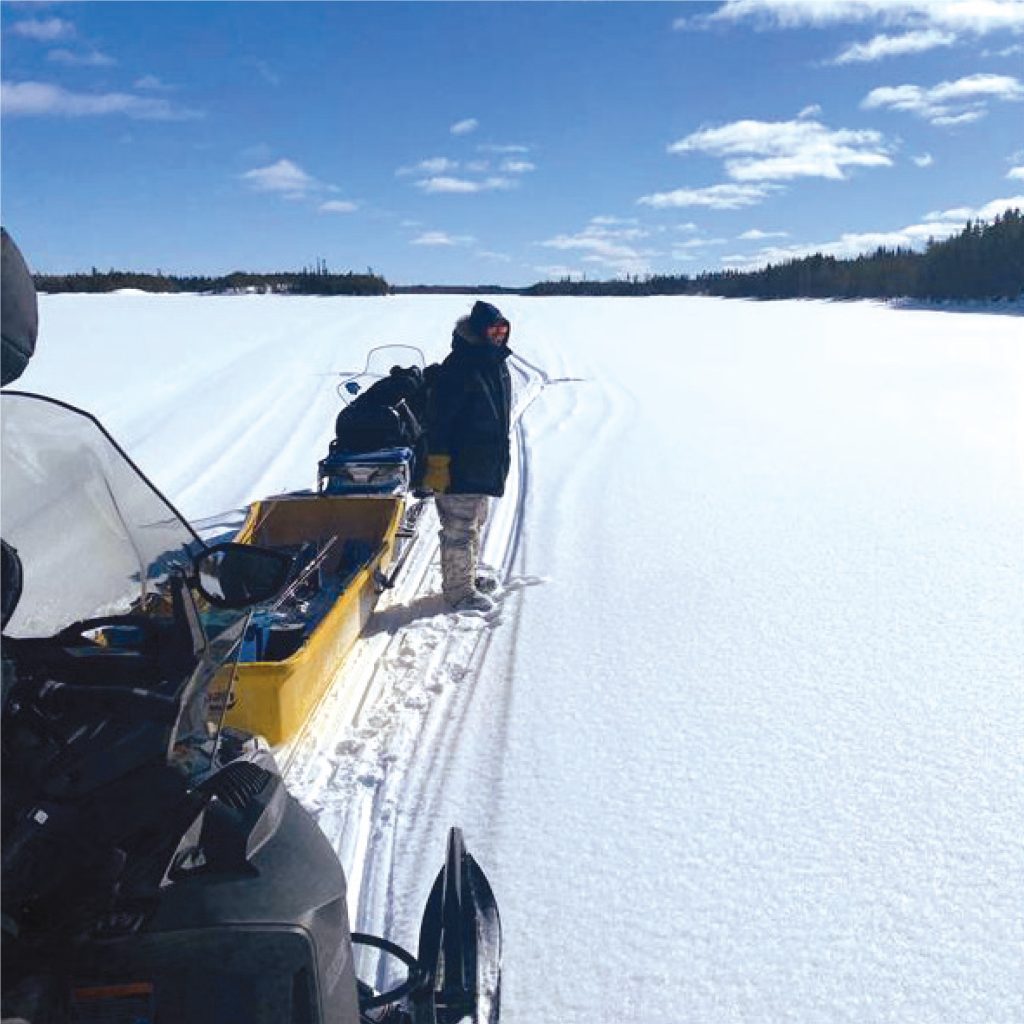
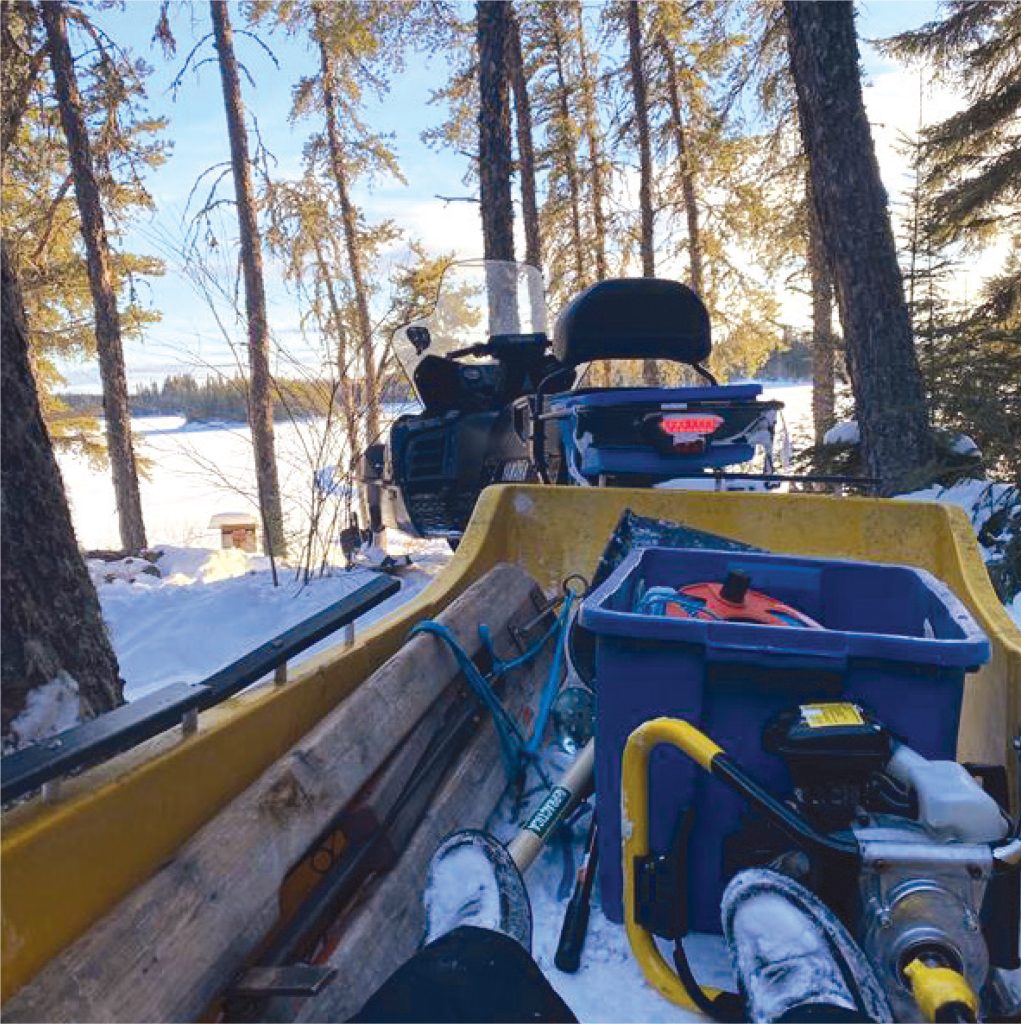
“Growing up in God’s Lake Narrows, I learned so much from my father about living and surviving off the land,” Okemow said. “It was important to me to take my daughters there before they graduated high school so they could experience those teachings and way of life for themselves at least once.”
A Path to Teaching
Okemow has been teaching since 2014, beginning her career at Strathclair Community School. Over 10 years there she worked in several roles including physical education, guidance counselling, and land-based and language education.

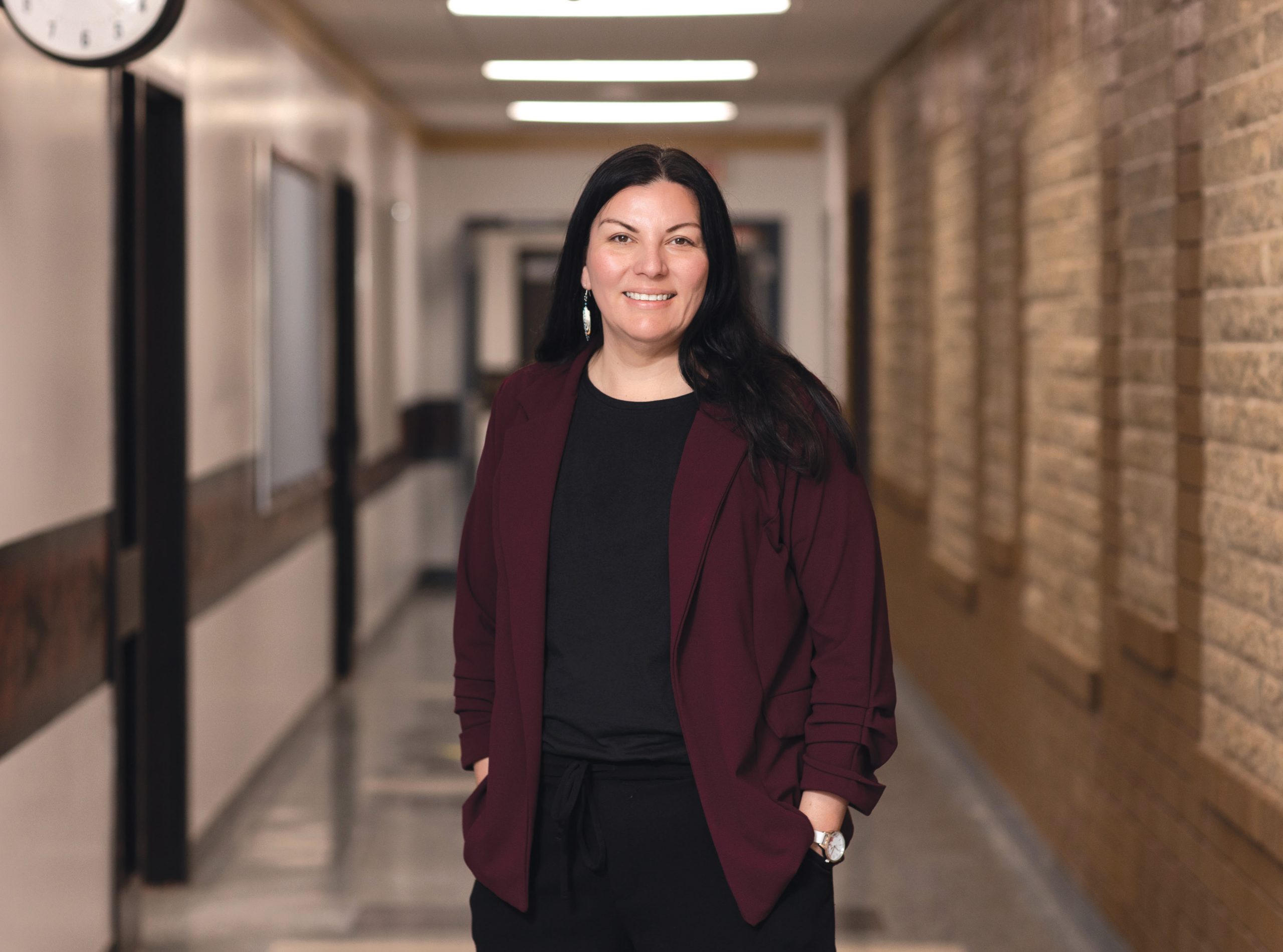
Rebecca Okemow is a K-8 resource teacher at Waywayseecappo School.
Now in her second year at Waywayseecappo School, she works as a Kindergarten to Grade 8 resource teacher, supporting students with exceptionalities and providing reading and math intervention.
“What I enjoy most about teaching is helping students find their place in learning,” Okemow said. “Seeing that spark in their eyes when something finally clicks and knowing you’ve been able to inspire them, encourage them, and support them—that’s the best part.”
Okemow added her path to teaching was shaped by her own experiences in school.
“I didn’t have the greatest experience in high school,” she said. “So, I wanted to become the teacher I needed when I was younger, someone who could support students and help them find their way.”
Returning to the Trapline
Growing up in northern Manitoba, Okemow spent much of her childhood on the land with her father and extended Cree family. Weekends often meant travelling out to the trapline to check traps, fish or hunt.
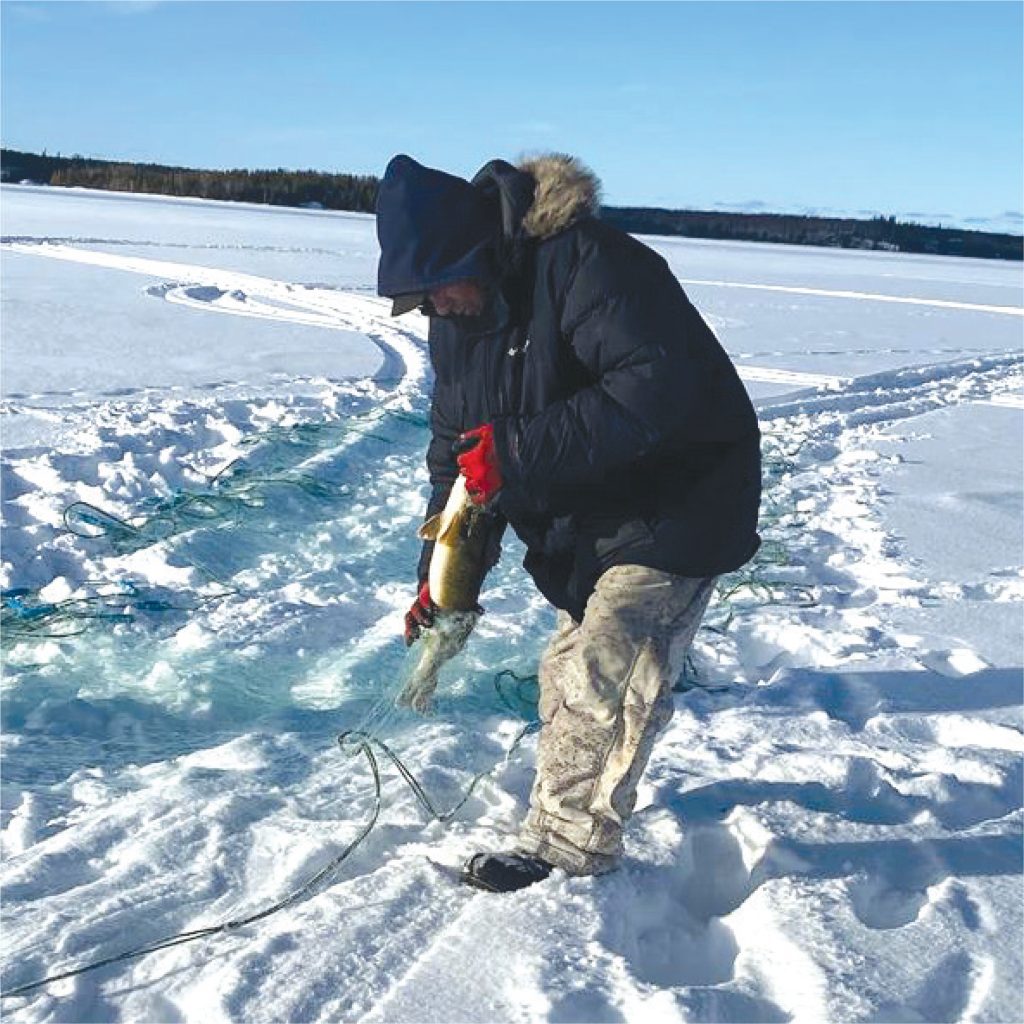
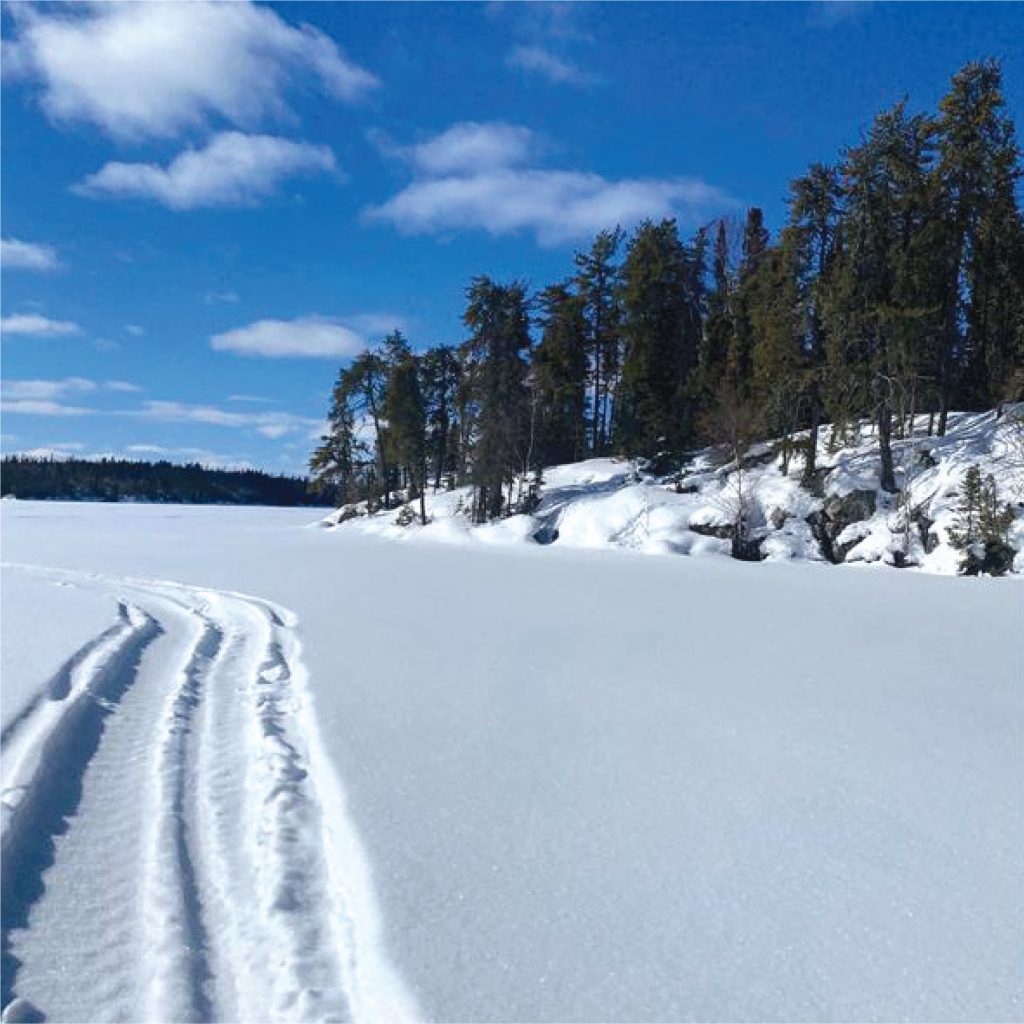
“It’s where my dad taught me how to snowshoe and how to start a fire in the snow,” she recalled. “We were always on the land, fishing, trapping, and harvesting.”
Now living in Minnedosa with her own children, those experiences are harder to access. Visiting her parents in the north often requires costly flights, and driving the winter road only becomes possible for a short period of time each year.
Because the road usually opens after the winter break in December and closes before spring break in March, the school calendar has made these special trips difficult. But the cultural leave clause changed that.
“It gave me the chance to take a few days and connect them to a weekend,” she said. “That timing made this trip possible.”
Learning on the Land
During their visit, Okemow’s teenage daughters were able to experience the trapline for the first time.
They travelled by snowmobile through the boreal forest to reach their grandfather’s cabin, located about 40 minutes east of the community. They helped set a fishing net beneath the ice on nearby Pickerel Lake and saw some of the furs their grandfather had trapped.
Along the shoreline, he showed them how to identify animal tracks in the snow and explained how he decides where to place traps.
“My daughters learned so much in those three days,” Okemow said. “I just watched them try new things and learn from their grandfather.”
For her, it was deeply meaningful to see those teachings passed on to the next generation.
“I grew up doing those things so being able to share that experience with my girls really meant a lot to me.”
Bringing those Teachings Back to School
The experience didn’t end when the trip was over.
Back in the classroom, Okemow has been able to share stories from the trapline with her students. She also brought back a few furs to help illustrate some of the teachings.
“Some of my students speak Ojibwe so I was able to use this opportunity to explore animal names in their language and about their connections to the land,” she said. “It helps students connect to that knowledge in a different way.”
Okemow is also deeply involved in advancing Indigenous education within the profession. She serves as the Treaty Catalyst teacher for the Park West School Division and supports training for teachers and staff. She also sits on a provincial committee helping develop the Indigenous languages curriculum framework.
Within The Society, she has been active on the Indigenous Voice and Action Standing Committee, an experience she says helped her grow both personally and professionally.
“It’s a place where Indigenous educators can learn from each other and share perspectives,” she added. “It really helped me find my voice.”
Why Cultural Leave Matters
For Okemow, cultural leave is more than a clause in a collective agreement, it is a meaningful way to support connection to culture, family and community.
Without it, her family’s trip to the trapline likely would not have been possible.
“The timing made it possible,” she said. “It gave my daughters the chance to experience something that was a huge part of my life growing up.”
1. An Indigenous Teacher shall be entitled up to three (3) days with pay per School Year to engage in traditional Indigenous ceremonies, cultural, or spiritual observances and where this leave requires absence from work for all or part of the day. Indigenous Ceremonial, Cultural, Spiritual Observance Leave is subject to operational requirements of the Teacher’s school.
2. For the purposes of this Article, an Indigenous Teacher is a person who self declares as First Nations, Inuit, or Métis.
3. A ceremonial, cultural or spiritual observance includes any event that is significant to an Indigenous employee’s traditional cultural practices or heritage. Examples of significant cultural events include, but are not limited to pow-wow, Sundance and Sweat Lodge ceremonies, traditional food gathering, traditional land or language based education, elder led education, or ceremonies held following a significant family event.
4. Teachers shall provide seven (7) days written notice from the Teacher to participate in Indigenous Cultural event(s), where possible. Teachers shall not absent themselves from duty without first securing permission from the School Division.
5. When Teachers are absent for observance of Indigenous Ceremonial, Cultural, Spiritual Observance Leave days in excess of three (3) days per School Year, the days shall be without pay.
6. The parties agree that this Article constitutes reasonable accommodation for Indigenous Ceremonial, Cultural, Spiritual Observance Leave.

Arlyn Filewich, The Society’s Executive Director, says hearing stories from members about their cultural leave has been really rewarding.
Arlyn Filewich, The Society’s Executive Director, said the clause has given members the opportunity to attend various ceremonies and events, in some cases for the first time. Filewich added hearing stories like Okemow’s has been really rewarding.
“This is where you can make a difference in bargaining and in the actual lives of people,” Filewich said. “From my perspective, in Manitoba, this clause was groundbreaking and has opened the door to us exploring all the other ways we can support our members in the things that they need to both balance their life and their work.”
Indigenous teachers who self declare as First Nations, Inuit, or Métis through their school division will never be asked to prove their identity to access this type of leave, Filewich added.
“We wanted to make accessing this leave as easy as possible for our members.”
And for Okemow, the experience reinforced something she values deeply as both a teacher and a parent that sometimes the most powerful lessons take place outside of the classroom.